
Recent publications
Wehry Family History – Trade Winds & Family Ties
This substantial work, authored by Andreas Koch and designed by Mizja Haak, celebrates the extraordinary legacy of the Wehry family across more than 250 years.
The book weaves genealogical facts with vivid accounts of family legends, influential historical figures and personal stories set against the backdrop of European and global history.
Trade Winds & Family Ties covers Germany, the Netherlands, France and the Dutch East Indies and chronicles the rise of Geo. Wehry & Co., a leading trading and plantation management firm that prospered until the Japanese invasion of the Indonesian archipelago in 1941. It is a testament to resilience, vision and the lasting bonds forged through marriage, commerce and generations of stewardship. From textile mills in Aachen and the financial elite in Istanbul to aristocratic estates across Europe, each page offers a glimpse into a remarkable network of people and events.

Work in progress: The Van Rechteren Limpurg House — An 800‑year Saga of Adaptation and Transformation
A historical study of eight centuries of the House of Van Rechteren Limpurg, compiled and written by Andreas Koch. The book presents a chronological account of a “typically‑atypical” noble dynasty as seen through the eyes of those involved. The family is “typical” insofar as its norms, values and ambitions align with other Dutch knightly families, yet “atypical” because of its semi‑sovereign position acquired since the late Middle Ages and its distinctive marriage policy, initially aimed at wealthy heiresses from other regions and later at marriages within the extended family.
From the eighteenth century onward, the family assumed an exceptional position within the European Gotha following their elevation to the rank of Counts in the Holy Roman Empire. History demonstrates that nobility, even for the Van Rechterens, is not a biological fact but a changeable social, legal and cultural construct.
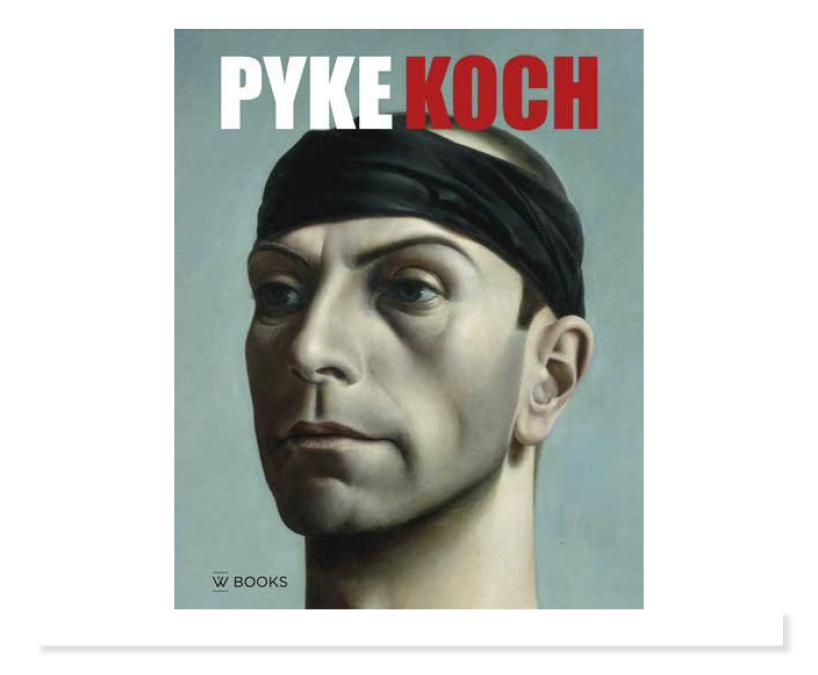
De Wereld van Pyke Koch
Andreas Koch is co‑author of this book on the life and work of painter and magical realist Pyke Koch (1901–1991), published to accompany the exhibition "De Wereld van Pyke Koch" (18 November 2017 – 25 March 2018) at the Centraal Museum Utrecht. A former law student and self‑taught artist, Koch is regarded as one of the leading representatives of neo‑ or magical realism in the Netherlands. The movement is characterised by realistic painting techniques and the creation of scenes that are possible but not probable. His extraordinarily detailed, painstaking technique resulted in a relatively small oeuvre. Many of his works show a clear influence from the Italian Renaissance, notably Piero della Francesca (c.1412–1492), who was a major inspiration.
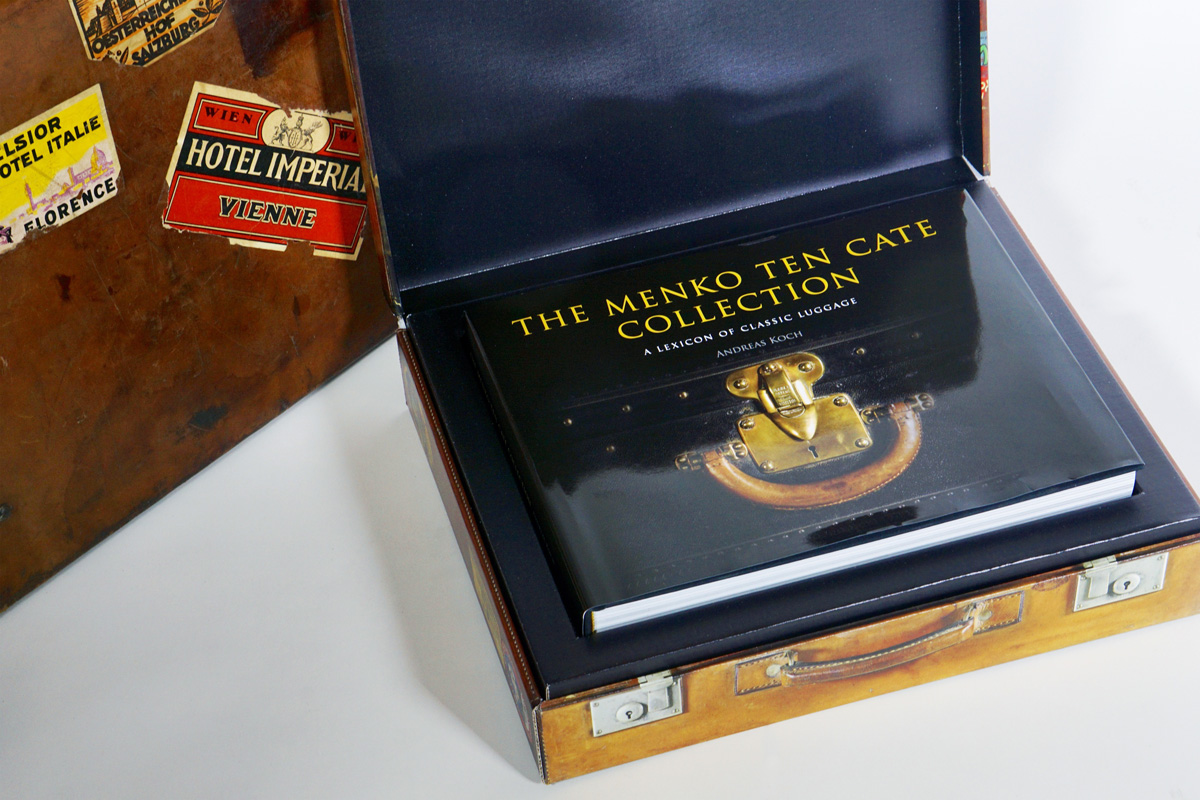
The Lexicon of Classic Luggage – The Menko ten Cate Collection
A richly illustrated lexicon on the history of stylish travel, focusing on iconic luggage brands, craftsmanship and the exceptional suitcase collection of Menko ten Cate.
Andreas Koch: “This collection comprises luxurious suitcases of all kinds and sizes and reflects more than a century of refined travel by ship, train, aeroplane and automobile. Classic luggage tells the story of its makers, sellers, carriers and owners, and forms an inspiring legacy of past journeys around the world. The collection is an ode to innovation, craftsmanship and elegant travel”.
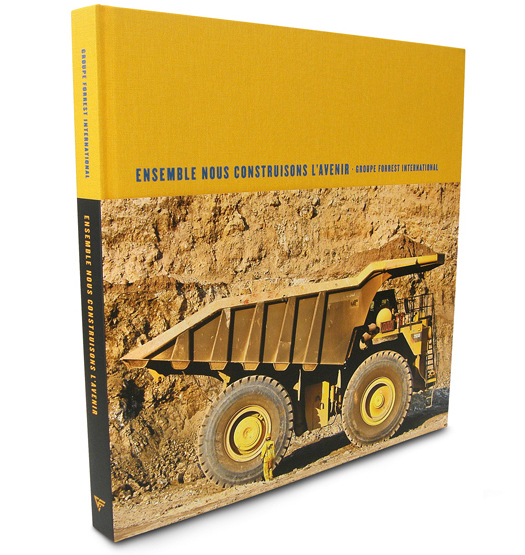
Ensemble, nous construisons l’avenir
This book production by Mizja Haak is the flagship work for the colourful industrialist George Forrest. The innovative family company Groupe Forrest International has been active since 1922 and operates across a wide range of sectors, from cement and food production to construction, aviation and renewable energy. Forrest supports arts and educational institutions in the Democratic Republic of Congo.
This compelling book profiles their activities and offers an industrial history captured through the rhythm and colours of intimate photography. Photographer Dominique Burton’s images present a progressive, dynamic and optimistic Africa, demonstrating that art and industry are not far apart but share a common theme: human endeavour and creativity.
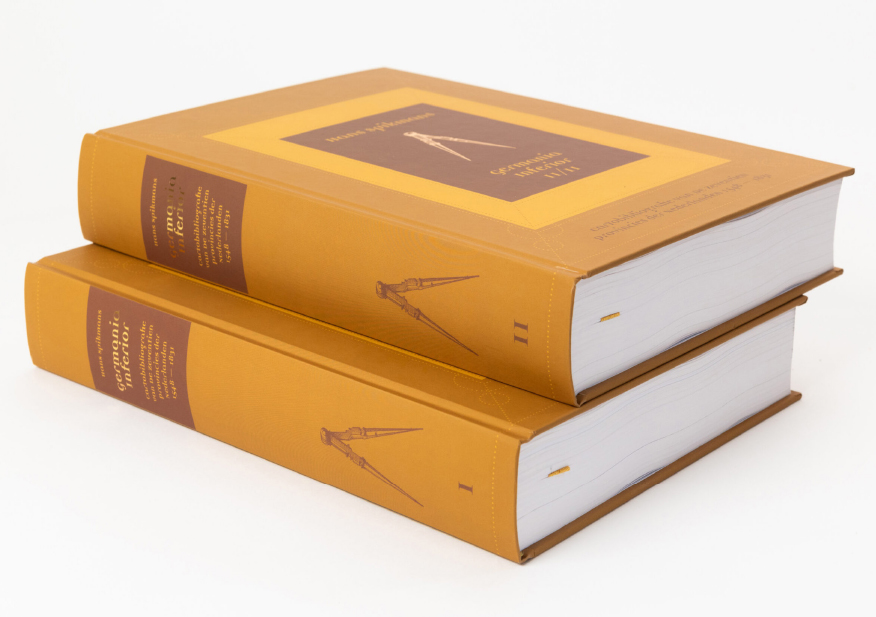
Two‑volume cartographic bibliography Germania Inferior
Acquired worldwide by leading libraries
The two‑volume cartobibliography Germania Inferior by Hans Spikmans contains 410 historic maps of the Netherlands from the three centuries before 1831. In over 1,000 pages he discusses what he regards as the most fascinating period in the history of the Netherlands, Belgium and Luxembourg: the Eighty Years’ War, the subsequent rise and 17th‑century decline. These Burgundian and Habsburg eras produced numerous instructive, often colourful wall and folio maps, richly decorated with cartouches. Spikmans treats four cartographic phases: the emergence of the Low Countries (1363–1543), the Low Countries as a unified state (1544–1579), the north–south split (1580–1648), and developments up to and beyond 1800. The civil, administrative, economic, political and military context is sketched concisely. Mizja Haak managed the book production from A to Z.
Honourable nomination
Germania Inferior has been nominated for the Evert Paul Veltkamp Prize for Book History by the Society of Dutch Literature (Maatschappij der Nederlandse Letterkunde). The prize will be awarded for the first time at the Laureates' Afternoon in autumn 2026.
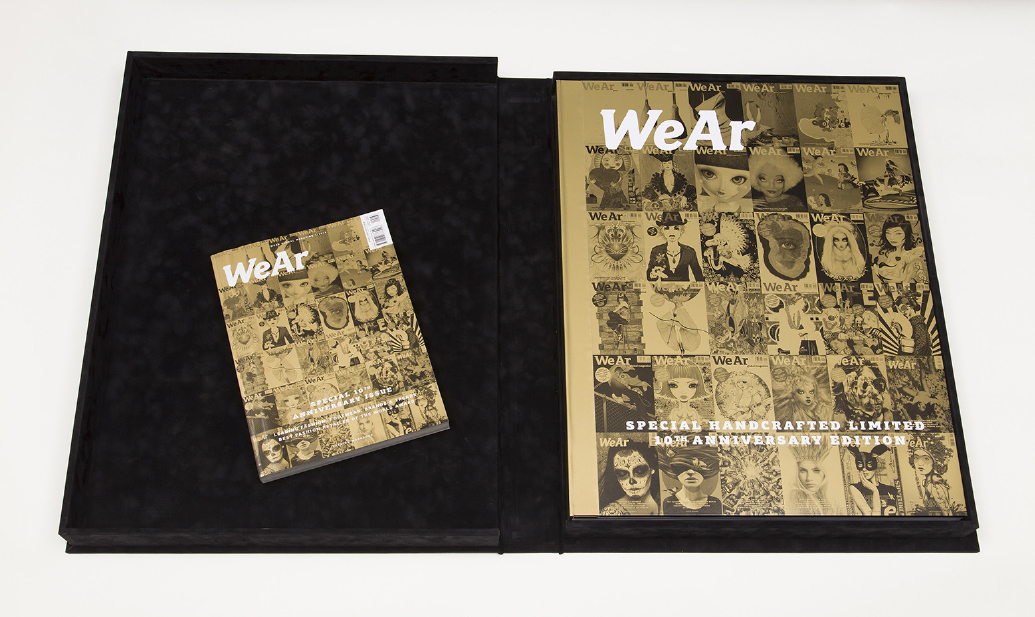
WeAr Global Magazine, 10 Year Anniversary Edition
To celebrate the tenth anniversary of WeAr Global Magazine, Mizja Haak produced a limited Sumo edition. The edition was conceived to be exceptional, luxurious, heavy, monumental and superbly handmade, the finest, most refined magazine the fashion industry had ever seen.
The special anniversary edition was produced with the utmost precision in a run of just 200 exclusive copies and delivered in a handmade wooden crate lined with high‑quality black velvet and gold‑stamped lettering. The 10th‑anniversary edition was enlarged to 50 × 68 × 10 cm and ultimately weighed an impressive 25 kg.
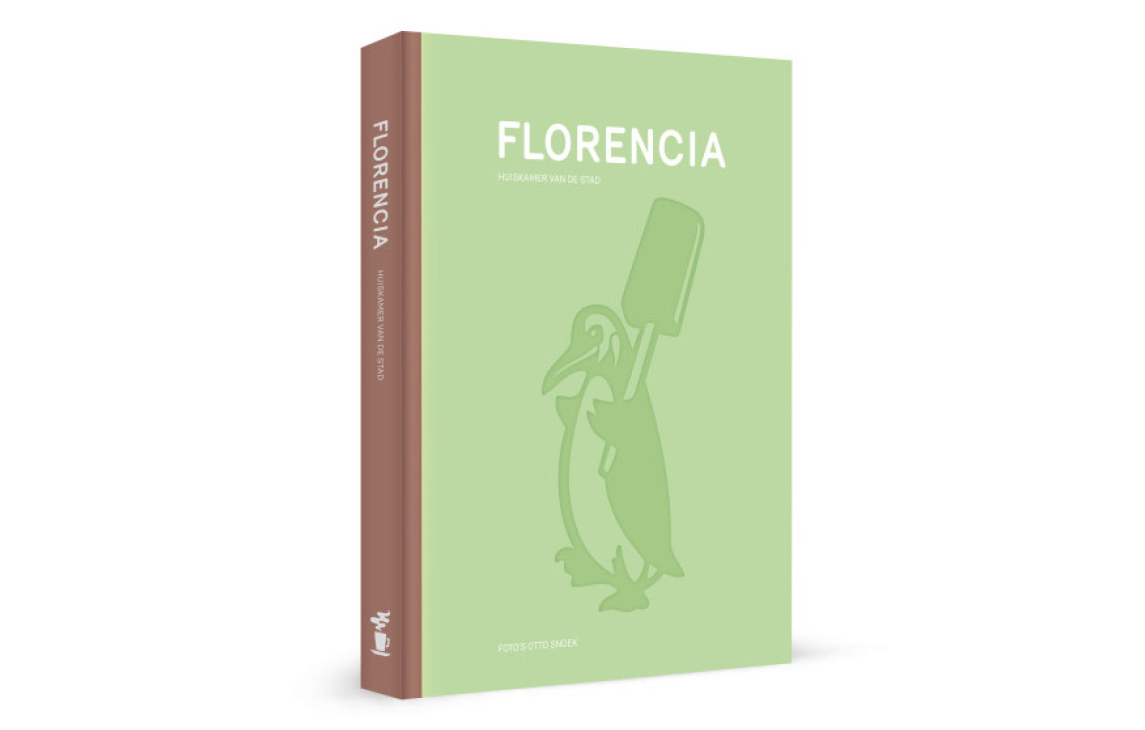
Florencia, The Hague’s living room
For generations, people have enjoyed their favourite Italian ice cream in The Hague’s largest gelateria. Florencia also serves litres of coffee daily to a loyal, often regular clientele. They know one another, chat, play chess and share stories—truths, fantasies and jokes—as if it were the most natural thing. The doors open at 07:30 for the first waiting customers; closing comes only after midnight. Florencia resembles a mini‑Europe: people of all ages, professions and nationalities mingle in numerous languages and dialects, including The Hague dialect. The interior, unchanged since the 1960s, breathes old‑fashioned coffee aroma and serves as the true living room of the city.
This unique atmosphere is captured in a photobook produced by Mizja Haak and designed by Rieme Gleijm and Stephan Csikós, featuring over 70 portraits by Otto Snoek, a historical essay by anthropologist Frank Bovenkerk, and interviews with customers by George Vermij and Bob van der Sterre.
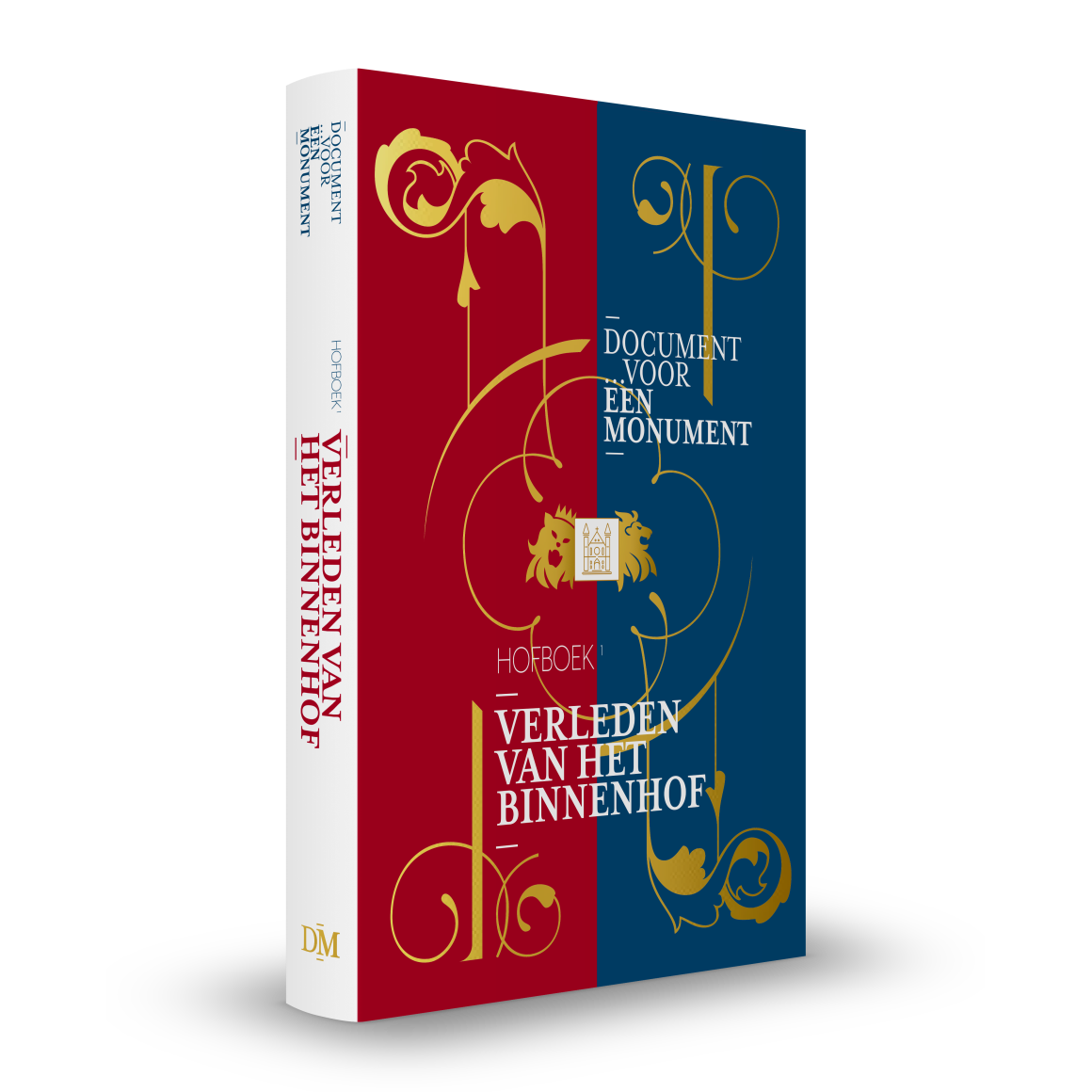
Document for a Monument — On the past, use and future of the Binnenhof
Document for a Monument is an initiative by Mizja Haak and Dick Holthuis. Since 2016 the editorial team has been researching, with the consent of the House of Representatives and the Senate, the Council of State, the Ministry of General Affairs and the Government Real Estate Agency, the past, present and future of the Binnenhof. Insights are shared both online and offline. In 2023, document.nu was named a UNESCO World Heritage site. Publications have appeared in various forms: the lavishly produced Verleden van het Binnenhof (The Past of the Binnenhof, 2021) and the follow‑up Gebruik van het Binnenhof (The Use of the Binnenhof, 2023).
In 2022 the AR exhibition The Art of the Binnenhof opened in the Atrium of The Hague City Hall and was also shown in De Galerij of The Hague tram tunnel. During Open Monument Day 2025 the limited edition Dromen in de schemer der eeuwen, about the Trêveszaal, the Dutch Revolt and more, was launched.
Document for a Monument offers a unique perspective on the Binnenhof. It is both a historical site and a living centre of our democracy.
Contributing authors include Wim van Anrooij, Sanne Frequin, Norma de Goederen, Ton Haak, Henk van Hees, Hendrik van Leeuwen, Marieke Linn, Nicolaas Matsier, Ferry Mingelen, Theo Thomassen, René van Zanten and Christa van Zeggeren.
Well-crafted heritage publications connect generations, strengthen identity and bring untold stories to life.